
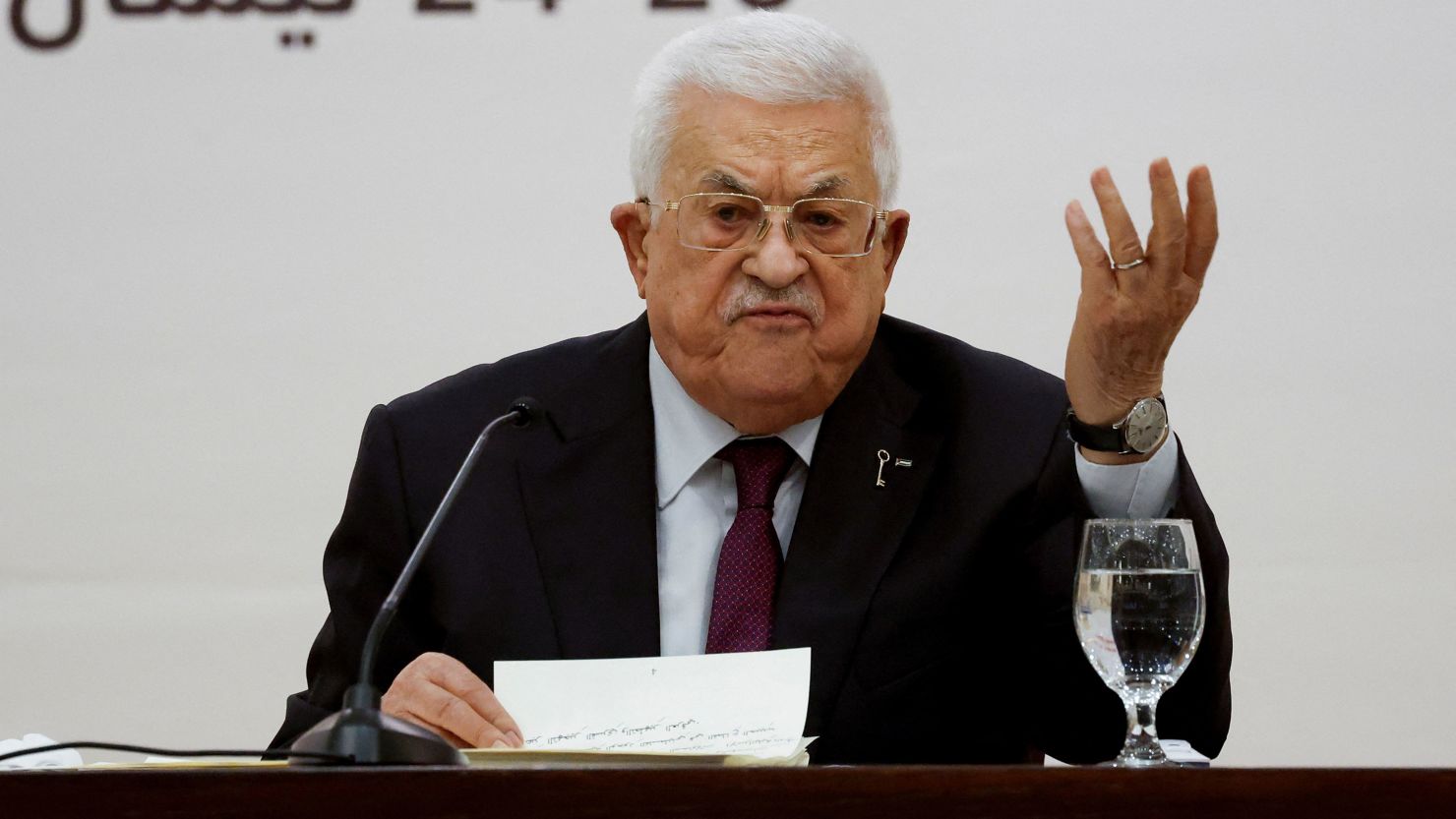
The U.S. should have allowed the President of Palestine to address the UN in person, as he is the internationally recognized leader of the Fatah-led Palestinian Authority, which governs the West Bank where Hamas has no representation. Restricting him to a video address blurred the distinction between a leadership pursuing diplomacy and a group designated as a terrorist organization, weakening the case for political solutions.
In-person participation also carries symbolic weight at the UN, signaling respect and legitimacy. Denying this platform sends the wrong message — that even moderate Palestinian leadership is not worthy of equal footing — which risks sidelining diplomacy and strengthening extremist narratives. Allowing him to speak in person would have reinforced international support for a peaceful, representative alternative to Hamas.
It is also crucial to stress that Hamas has zero role in governing the West Bank. The Fatah-led Palestinian Authority, under the president, is the sole governing body there — managing security, public services, and international diplomacy. Conflating his leadership with Hamas misrepresents reality and unfairly punishes the side that has consistently chosen negotiation over violence.